


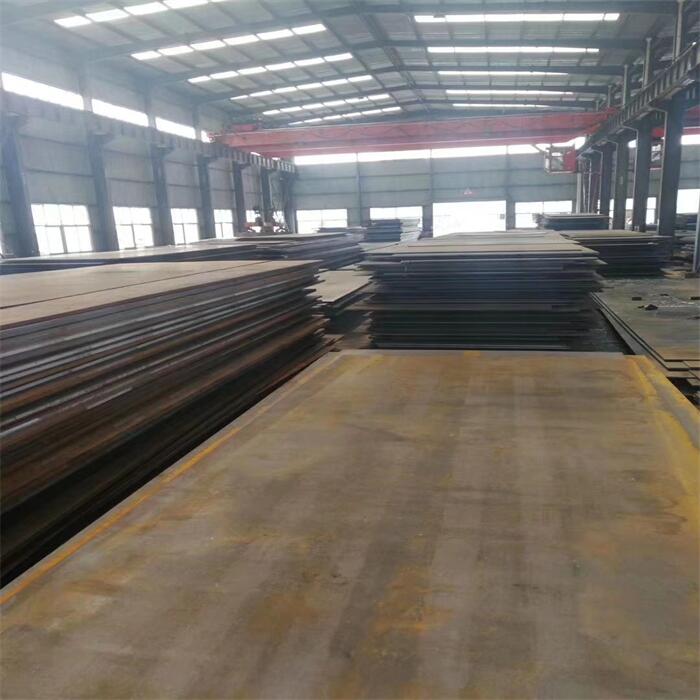


Products Description Structural steel alloys play a crucial role in modern construction and engineering, offering enhanced properties and performance compared to conventional steels. This article aims to provide a detailed exploration of structural steel alloys, covering their composition,...
Descripción




One of the key attractions of structural steel alloys is their superior mechanical properties. These alloys typically exhibit higher tensile strength, yield strength, and hardness compared to plain carbon steels. The enhanced strength allows for the design of lighter and more efficient structures without compromising on load-bearing capacity.
The ductility of structural steel alloys is also important, as it enables the material to deform under stress without fracturing. Toughness is another critical property, especially in applications where the steel may be subjected to impact or sudden loading. Fatigue resistance is crucial for components that experience cyclic loading, ensuring long-term reliability and durability.
Structural steel alloys find extensive use in a wide range of industries and applications. In the construction sector, they are employed in the fabrication of high-rise buildings, bridges, stadiums, and industrial facilities. The superior strength and durability of these alloys make them ideal for withstanding the heavy loads and demanding conditions associated with large-scale structures.
The energy sector utilizes structural steel alloys in the construction of oil and gas platforms, wind turbine towers, and power plants. Their resistance to corrosion and high-temperature environments makes them suitable for these challenging applications.
Etiqueta:


